
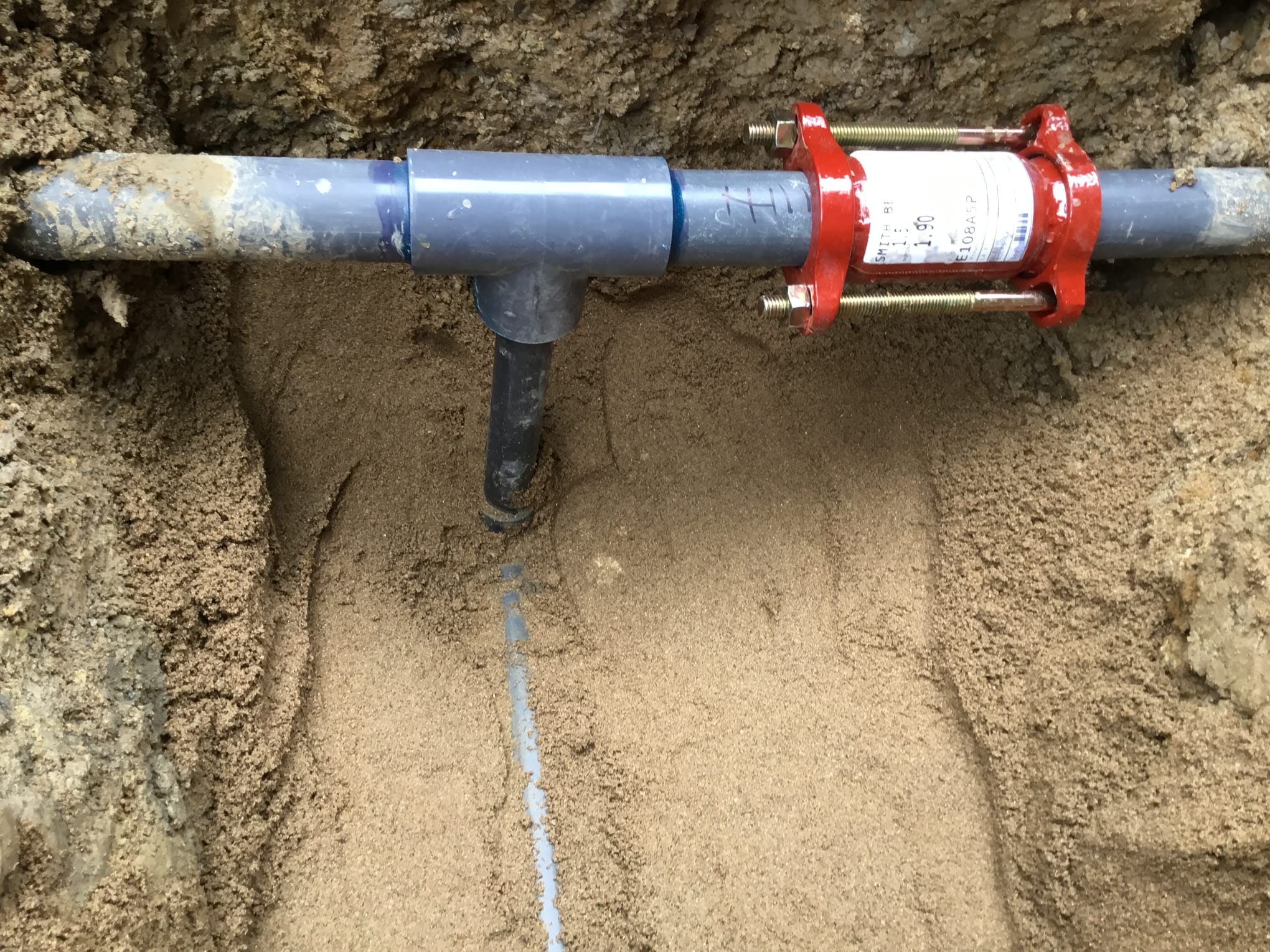
Whole-house repipes are the kind of plumbing project nobody plans for. Most Ventura County homeowners learn the term after their second slab leak or pinhole copper failure, when the plumber finally says the magic words: it is time to repipe. Additional reference from the ENERGY STAR water heater program provides the broader public-health and standards context. The decision is real, the cost is significant, and getting the right answer the first time saves you tens of thousands of dollars over the life of the house.
What makes a repipe necessary
Three signs that should put repipe on the table: multiple leaks on the same vintage of pipe within a short window, visible corrosion or pinhole leaks on accessible copper, or persistent low water pressure that pressure-boosting cannot fix.
Galvanized steel is overdue
If you have galvanized steel supply lines (anything pre-1960), repipe was already overdue. Galvanized rusts from the inside, restricts flow, and contaminates water. The EPA drinking water guidance notes that corroding metallic pipes are a recognized source of contamination.
Copper vs PEX
The two real choices for a modern repipe: Type L copper or PEX-A tubing. Copper is proven and code-compliant. Downside: about 50% more than PEX, and Southern California soils continue to corrode copper over a 40-year horizon. PEX-A is flexible, faster to install, less expensive, and immune to most corrosion modes. Most reputable plumbers recommend PEX-A for whole-house repipes today.
What the work involves
A whole-house repipe runs new supply lines from the meter to every fixture. Stages: planning (1 week), permits (1-2 weeks), demo and access cuts (1-2 days), new pipe installation (2-4 days), pressure testing and inspection (1 day), drywall patching (2-3 days), paint (1 day). Most repipes complete in 5-7 working days inside the house.
Cost ranges
For a 2,000 square foot single-story slab-on-grade Ventura County home, expect $8,000-15,000 for a PEX repipe with drywall patching. Two-story homes run 30-50% more. Custom or large homes can run $25,000-40,000+.
Why leak detection matters before committing to repipe
Before committing to a $12,000 repipe, confirm the failures are systemic rather than isolated. A focused leak-detection inspection identifies whether you have one bad fitting on an otherwise sound system, or a pattern of failures across the whole network. The diagnostic is cheap insurance against an unnecessary repipe — or premature repipe when a section reroute would have worked.
Coordination with broader facility maintenance
For property managers running multi-unit buildings where repipes affect tenants, comprehensive commercial property maintenance and facility support services coordinate the trades around the repipe project. For commercial properties that pair packaging-and-supply logistics with construction-period operations, established commercial food packaging and container supply services handle the operational side.
Permits and inspections
Whole-house repipes require permits in every Ventura County jurisdiction. Two inspections: rough-in (after pipe is run, before drywall closes) and final (after fixtures are reconnected and pressure tested). Permits add $300-800. Skipping permits jeopardizes resale and homeowner insurance.
Your Ventura County Repipe Decision Specialists
At Quest Leak Detection, we run pre-repipe leak detection diagnostics across Ventura, Oxnard, Camarillo, Thousand Oaks, Simi Valley, Moorpark, Ojai, Port Hueneme, and surrounding Ventura County communities so you know whether a repipe is necessary or a targeted reroute will solve the problem. Contact Us for an evaluation. Our repipe services cover the full Ventura County region.