Whether you are planning to install a new swimming pool, build a backyard ADU, or simply trench for a new irrigation line, the golden rule of excavation is simple: know what is underneath before you break ground. We have all seen the warnings to “Call 811” to have public utilities marked. However, that service only covers public lines (power, gas, municipal water) up to your meter.
Everything after the meter—the water line running to your house, the gas line to your pool heater, the electrical conduit to your garden shed—is considered “private.” The city won’t mark it. And if you hit it, you are 100% responsible for the repair costs and the potential safety hazards.
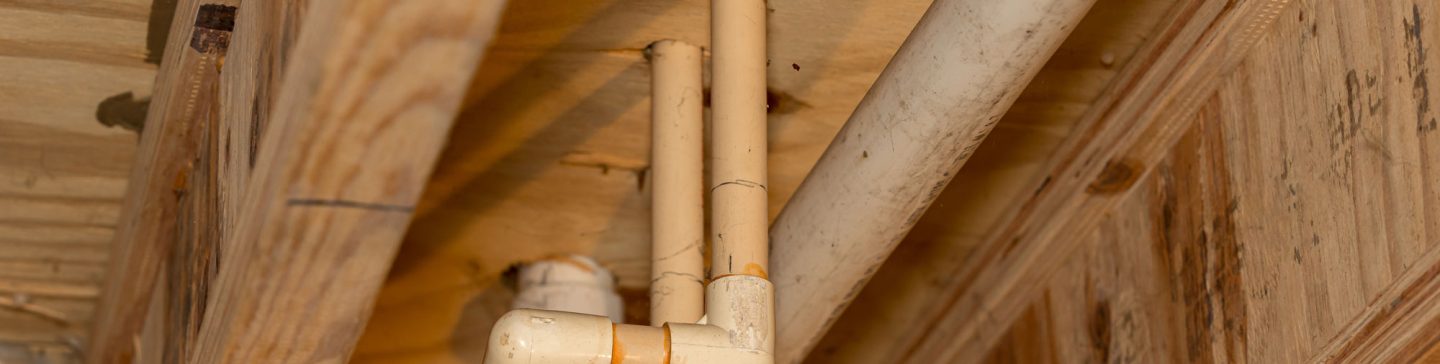
This challenge is compounded by the fact that most modern private utility lines are made of PVC (plastic). Standard electromagnetic locators—the ones that beep when waved over metal—cannot see plastic. For Ventura County homeowners and contractors, finding these “invisible” lines requires advanced technology and specialized expertise.
The Problem with Plastic
Historically, pipes were made of iron or copper. Finding them was easy; you simply clamped a transmitter onto the exposed pipe, sent a radio signal down the metal, and tracked it with a receiver.
PVC is an insulator. It does not conduct electricity or radio frequencies. If you try to use a standard utility locator on a plastic water main, you will get silence. This leads many contractors to resort to “potholing”—digging random exploratory holes—or simply guessing the path of the pipe. Both methods are risky and destructive.
Hitting a PVC water main can flood a trench in seconds, causing walls to collapse. Hitting a plastic gas line (often used for outdoor fire pits or pool heaters) can be catastrophic. The Common Ground Alliance (CGA) reports that utility strikes are a leading cause of project delays and injuries, with private utility strikes being particularly under-reported.
Acoustic Pulse Technology: Thumping the Line
So, how do we find a non-metallic pipe? We use sound.
One of the most effective methods for PVC location is an acoustic pulse generator (often called a “thumper” or “knocker”). We attach a device to the plumbing system that sends a controlled pressure wave or mechanical “tap” down the water column inside the pipe.
This sound wave travels along the pipe, vibrating the plastic. We then use highly sensitive ground microphones and geophones to listen for that specific vibration above ground. By tracking the sound, we can map the path of the pipe across your yard. It works even under concrete driveways or asphalt.
GPR: Seeing Through the Soil
For non-water lines (like empty electrical conduits or gas lines), we often turn to Ground Penetrating Radar (GPR). GPR sends high-frequency radio pulses into the ground. When these pulses hit an object—like a pipe, a rock, or a void—they bounce back to the surface.
The GPR unit displays a cross-section of the soil layers. An experienced technician can interpret these hyperbolas (arch-shaped reflections) to identify utility lines. While GPR has limitations (it struggles in highly conductive clay soils), it is a powerful tool for “seeing” plastic pipes, concrete anomalies, and other buried obstacles that metal detectors miss.
Mapping Your Underground Network
The end result of an advanced utility location service is a map. We use color-coded paint or flags to mark the precise location and depth of your private utilities.
This service is vital for:
- Landscape Architects: Designing root barriers and tree placements without damaging existing lines.
- Pool Contractors: Avoiding the main sewer line or water main when excavating the shell.
- Homeowners: Peace of mind knowing that your weekend DIY fence project won’t turn into a plumbing emergency.
According to Planet Underground, the cost of a private utility locate is typically less than the cost of a single emergency plumbing repair caused by a utility strike. It is an insurance policy for your renovation project.
Your Ventura County Experts for Advanced PVC Utility Location
Stop guessing where the pipes are. We use advanced acoustics and radar to map your private utilities with precision.
Quest Leak Detection specializes in locating the difficult-to-find plastic lines that others miss. Visit our Advanced PVC Utility Location page to protect your next project, or Contact Us to schedule a locate.