
A stain on the ceiling is the same picture whether it came from the roof or from a pipe. Here is how Ventura County, CA homeowners tell them apart.
A stain on a Ventura County ceiling almost always gets blamed on the roof first, and the roof is not always guilty. Water that appears on a ceiling or runs down the inside of a wall can come from a roof covering, from flashing, from a plumbing supply line, from a drain line, or from a condensate line that has quietly been dripping into an attic for a season. They look identical on the drywall and they need completely different trades. This guide sets out how to tell them apart before you pay anyone to open anything.
Start with when the water appears
This is the single most useful question and it costs nothing to answer. Water that only shows up during or shortly after rain, and dries out between storms, behaves like a roof or envelope problem. Water that appears regardless of the weather, or that gets worse when somebody showers, runs a washing machine or fills a bath, behaves like plumbing. Water that appears only in the warmer months when the air conditioning is running points at a condensate line rather than either.
Keep a note of it for a week. Two or three observations tied to weather and water use will narrow the field faster than any equipment will.
Where the stain sits
Roof-related water usually enters high and travels. It follows rafters and the top of the ceiling plane before it drops, so the visible stain can be several feet from the actual entry point, and it very often shows up near a penetration: a vent stack, a skylight, a chimney, a swamp cooler curb, or the flashing where a lower roof meets a wall.
Plumbing water tends to appear below the thing that is leaking, which on a single-storey house means a ceiling stain implies something above it. If the stain is under a bathroom, a laundry or a kitchen on an upper floor, plumbing moves to the front of the queue. If the stain is on a ground-floor ceiling with nothing but attic above it, and there is no plumbing in that attic, the roof and the envelope become more likely again.
What the water looks and smells like
Rainwater that has travelled through a roof assembly usually arrives dirty. It carries dust, insulation fibre and often a brown edge to the stain. Supply-line water is clean and the stain is paler. Drain water carries a smell, and if the ceiling is damp under a bathroom and there is an odour, that is a waste line rather than a supply line and it is worth treating as urgent.
The water meter test
If you suspect plumbing, the meter will often tell you for free. Turn off every fixture and appliance that uses water, then watch the meter for fifteen minutes. If the low-flow indicator is turning with everything shut off, water is leaving the system somewhere. That does not prove the ceiling stain is the same leak, but it does prove you have a plumbing leak to find.
A still meter does not rule plumbing out. A drain line only leaks while something is draining, and a condensate line only leaks while the system is running, so both can be invisible to a meter test.
What we do, and what we do not do
Quest Leak Detection locates and repairs plumbing leaks. We are not a roofing company and we do not sell roof work, which is exactly why we are a useful first call on an ambiguous ceiling stain: we have nothing to gain from the answer going one way rather than the other.
A leak detection visit on a suspected ceiling leak uses acoustic listening equipment, thermal imaging and pressure testing to establish whether the water is coming from a pressurised line, and camera inspection to look inside drain lines where a waste leak is suspected. If the plumbing tests clean, we say so and you can call a roofer knowing you are not paying them to chase somebody else problem.
Three Ventura County patterns worth knowing
The first is the rainy-season ceiling stain that turns out to be a supply line. Homeowners who first notice a stain during a storm reasonably assume the storm caused it, and a slow leak that has been developing for months is easy to attribute to the first rain that happened to coincide with it.
The second is the attic condensate line. Air handlers installed in attics drain through a line that runs to the outside, and when that line blocks, the pan overflows into the ceiling below. It appears in warm weather, it has nothing to do with the roof, and it is not strictly a plumbing leak either, but it is very commonly mistaken for one.
The third is coastal exposure. Properties nearer the coast take a steady load of salt-laden air, and the exterior side of a building ages differently from one a few miles inland. Where a stain sits close to an exterior wall, it is worth looking at the wall assembly and the flashing as seriously as the pipework.
What to do before anybody arrives
Photograph the stain with something in frame for scale and note the date. If it grows, photograph it again, because a stain that is spreading while the weather is dry is telling you something that a single photograph cannot. Do not paint over it; a sealed stain hides the evidence and the water keeps coming. If the ceiling is sagging or heavy with water, stay out from under it and shut the water off at the main if you suspect plumbing.
| Photo | What we check | What it covers in Ventura County, CA |
|---|---|---|
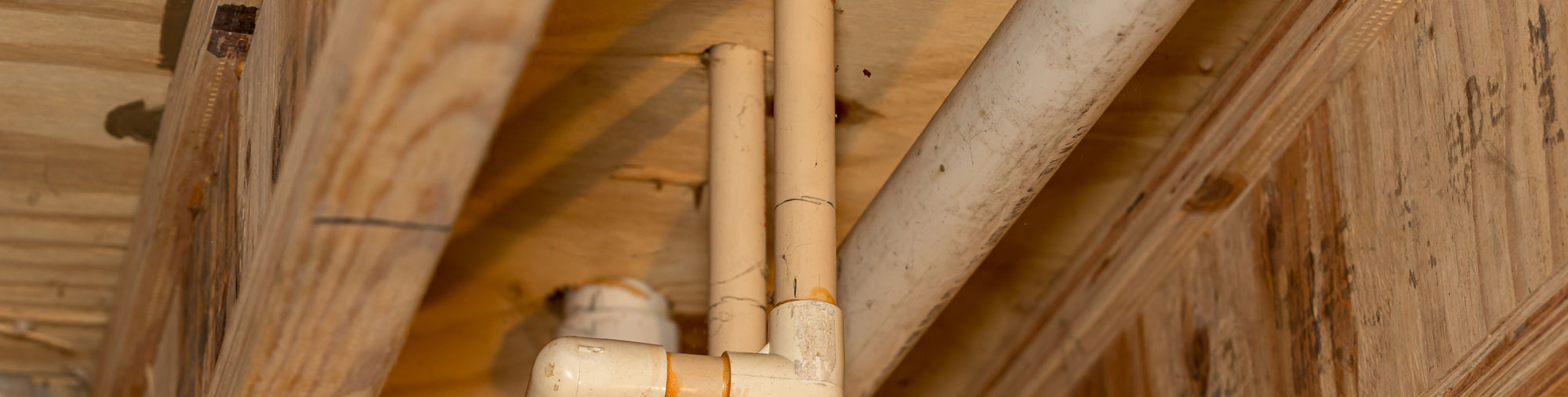 |
Pinpoint Leak Location | Acoustic and pressure testing to find where the water is actually coming from before a single tile or panel is lifted. |
 |
Camera and Moisture Survey | Cameras, moisture meters and thermal imaging used to tell a roof path from a pressurised plumbing path. |
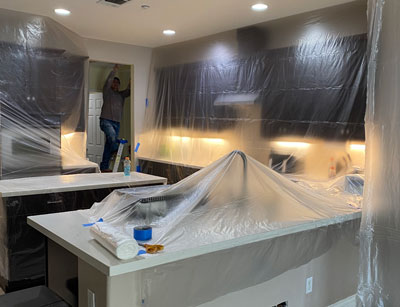 |
Slab and Supply Line Leaks | Under-slab and wall-cavity supply leaks traced and confirmed, so the repair is opened in one place rather than several. |
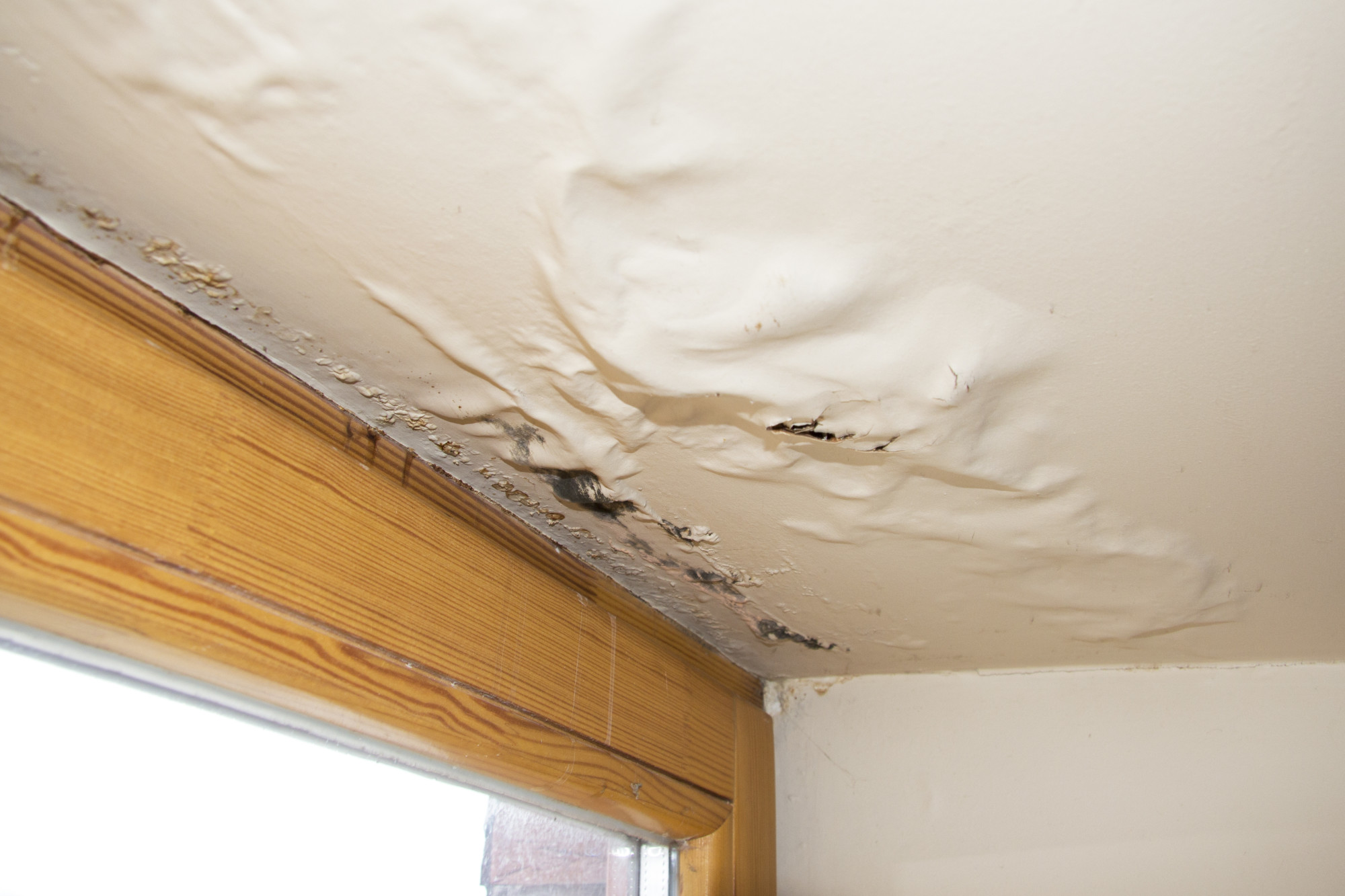 |
Ceiling and Roof Water Tracing | Water tested from above and below to separate roof entry from a plumbing source, with the finding written down for your roofer or insurer. |
Your Ventura County Leak Detection Specialists
If you have a ceiling or wall stain and you do not know whether it is the roof or the plumbing, that is the question we answer every day. Contact Us and describe when the water appears and where it sits. Our leak detection and repair services cover the full Ventura County region.
Our Services in Ventura County, CA
If the stain turns out to be plumbing, these are the jobs that follow.
Leak Detection in Ventura County, CA
Electronic and acoustic location before anything is opened up.
Leak Repair in Ventura County, CA
Repairs to the line once the leak has been pinned down.
Camera Inspection in Ventura County, CA
Video down the drain or sewer line to see the fault.
PVC Leak Detection in Ventura County, CA
Locating leaks on plastic supply and irrigation lines.
Gas Leak Detection in Ventura County, CA
Finding gas escapes on house and yard lines.
Repiping in Ventura County, CA
When a line has failed more than once and patching is over.
CONTACT QUEST LEAK DETECTION
Book a Leak Inspection in Ventura County, CA
Tell us where the stain is and what the weather has been doing, and we will bring the equipment that settles it.
OUR SERVICE AREA